
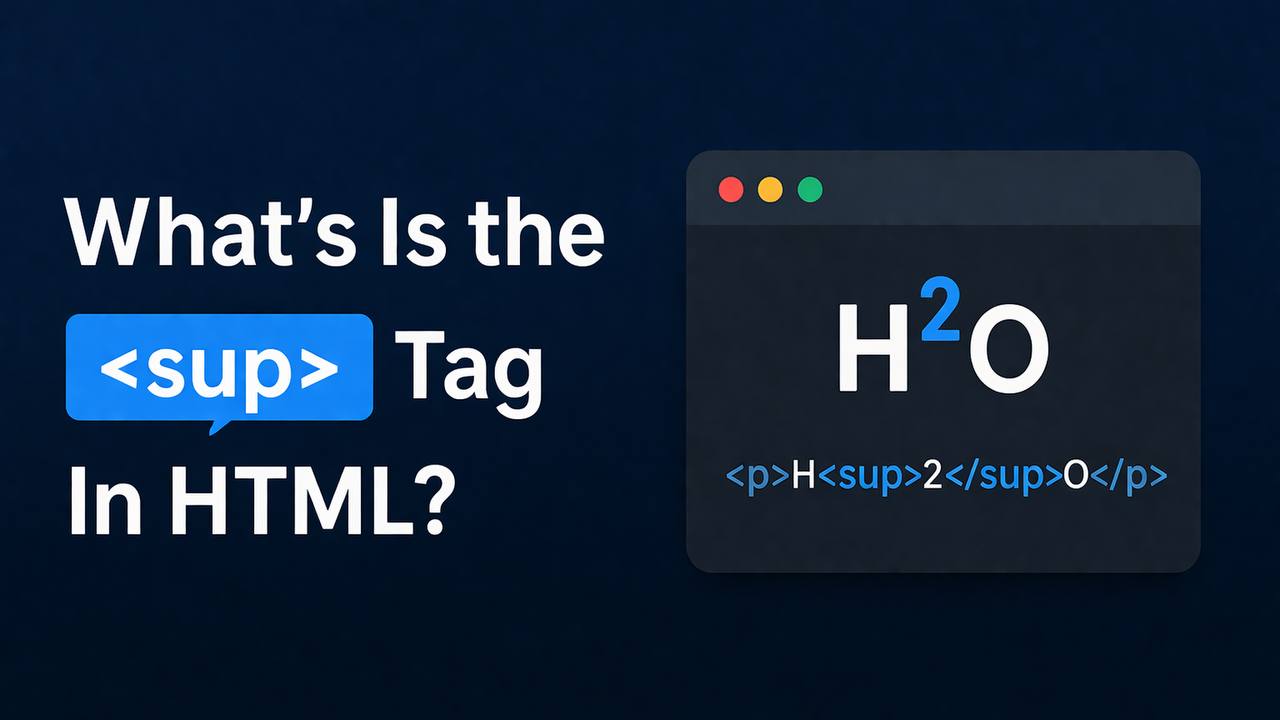
When writing content on a webpage, sometimes you need to display text slightly above the normal line. This is common in math, science, and references.
In HTML, the <sup> tag is used for this.
The <sup> tag stands for superscript text. It shows text a little higher than the normal line and usually smaller in size.
In this guide, you will learn what the <sup> tag is, how it works, when to use it, and how to use it properly in your HTML projects. Everything is explained in a simple and clear way.
Understanding the <sup> Tag
The <sup> tag is an HTML element used to define superscript text.
Superscript text appears:
- Slightly above the normal line
- Smaller than regular text
Understanding the <sup> Tag
The <sup> tag is an HTML element used to define superscript text.
Superscript text appears:
- Slightly above the normal line
- Smaller than regular text
Basic Syntax
The <sup> tag has an opening and closing tag.
Example:

Anything inside the <sup> tag will appear above the normal line.
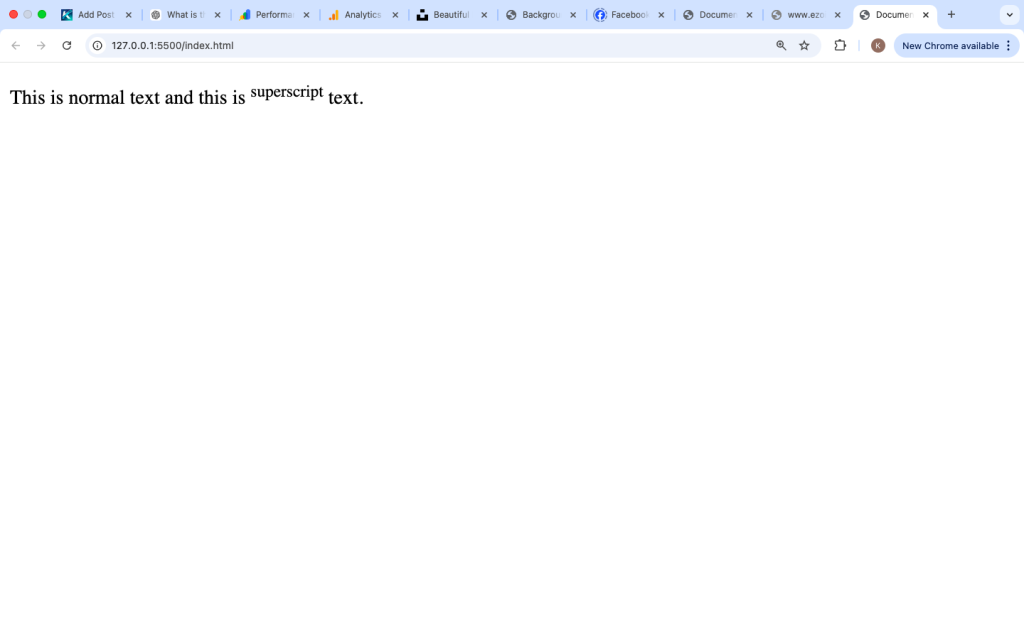
Example Inside a Paragraph

In the browser, the word “superscript” will appear slightly higher than the rest of the sentence.
What the <sup> Tag Is Used For
The <sup> tag is used in situations where text naturally appears above the line.
Common uses include:
- Mathematical powers
- Exponents
- Footnotes
- Ordinal numbers (like 1st, 2nd)
Common Use Cases of the <sup> Tag
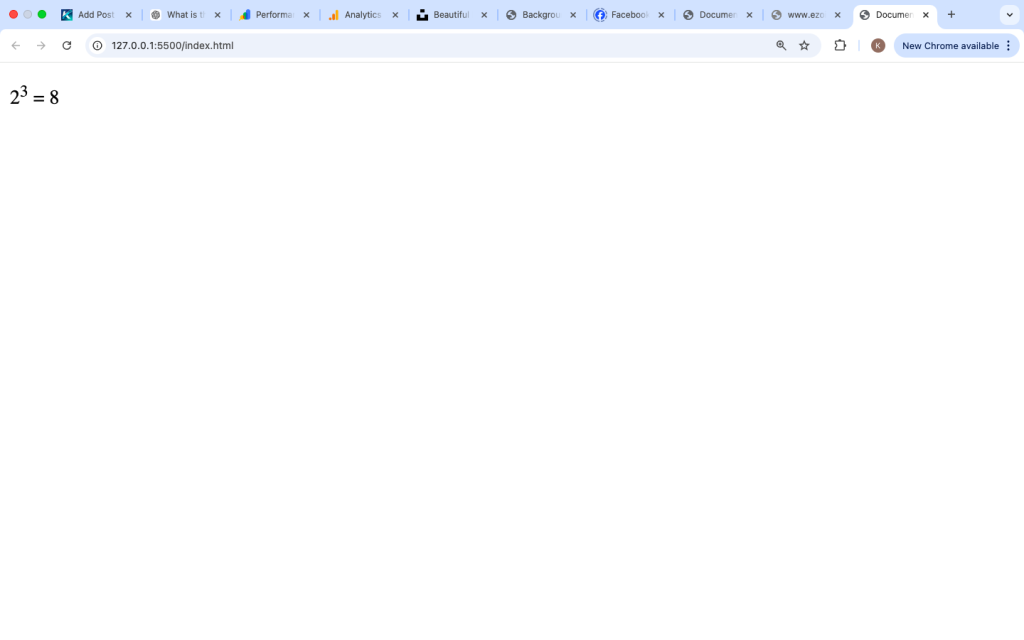
1. Mathematical Powers
This is one of the most common uses.
Example:

The “3” appears above the number.
2. Exponents in Math
Example:

This is common in equations.
3. Ordinal Numbers
Example:

This improves readability.
4. Footnotes
Example:

The number refers to a note below.
How Browsers Display the <sup> Tag
Browsers apply default styling like this:
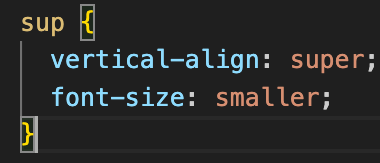
This causes:
- The text to move upward
- The text to become slightly smaller
All modern browsers support the <sup> tag.
Using <sup> Inside Other Elements
The <sup> tag can be used inside many HTML elements like:
- Paragraphs
- Headings
- Lists
- Tables
Example in a Heading

Example in a List
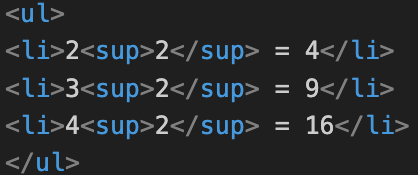
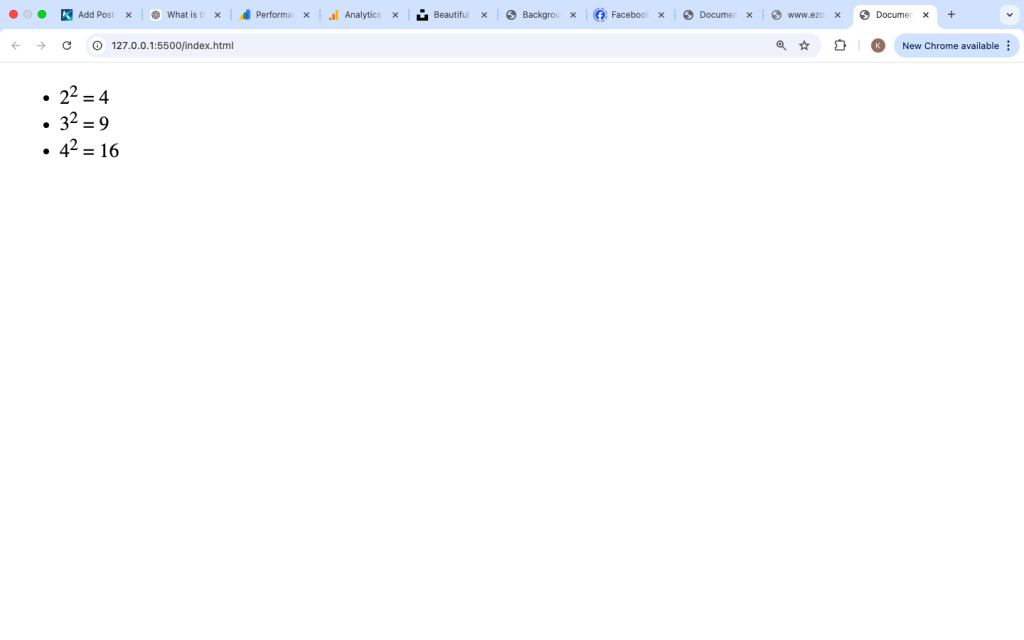
<sup> Tag vs <sub> Tag
The <sup> tag is often compared with the <sub> tag.
<sup> Tag
- Text appears above the line
- Used for powers and footnotes
<sub> Tag
- Text appears below the line
- Used for chemical formulas
Example:

This shows both types of formatting.
<sup> Tag vs CSS Styling
You can also create superscript using CSS.
Example:

CSS:
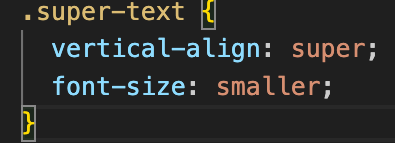
Difference:
<sup> | CSS |
|---|---|
| Semantic meaning | Styling only |
| Built-in behavior | Custom control |
Using <sup> is better when the text has meaning.
Combining <sup> with Other Tags
The <sup> tag can be combined with other HTML tags.
Example:

This makes the expression bold and correctly formatted.
Accessibility and the <sup> Tag
The <sup> tag is supported by screen readers.
It helps users understand that the text is superscript.
However, always ensure your content is clear.
Example:

This explains the meaning.
Common Mistakes Beginners Make
1. Using <sup> for Styling Only
Do not use <sup> just to move text upward.
Use it only when it makes sense.
2. Overusing the Tag
Too much superscript text can make content hard to read.
Keep it simple.
3. Using It for Large Text Blocks
The <sup> tag should only be used for small parts.
Example mistake:

This is not correct usage.
Best Practices for Using the <sup> Tag
Use It Where It Makes Sense
Use <sup> for math, references, and scientific text.
Keep It Short
Superscript text should be small and specific.
Combine with Clear Explanation
Make sure users understand the meaning.
Avoid Overuse
Use it only when needed.
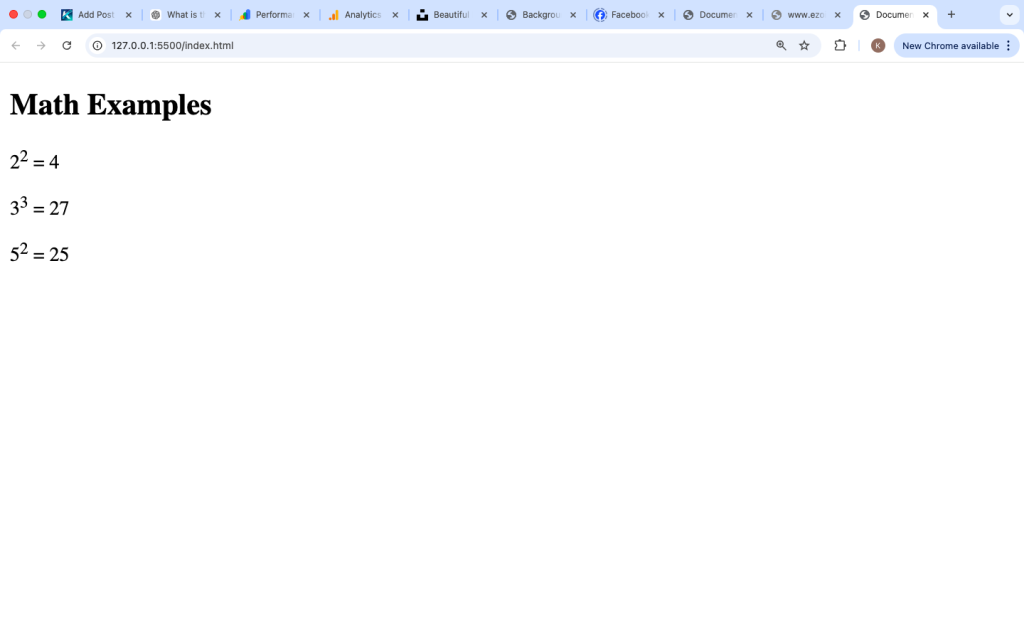
Real Example for Beginners
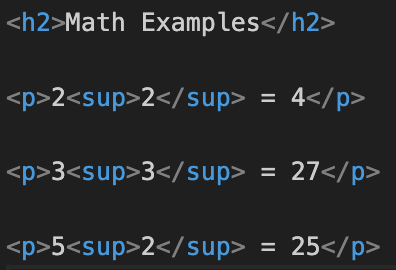
This is a simple and practical example.
Is the <sup> Tag Still Used Today?
Yes, the <sup> tag is still widely used.
It is important in:
- Educational websites
- Math tutorials
- Science content
- Technical documentation
It helps display information correctly.
The <sup> tag in HTML is used to display text as superscript, meaning slightly above the normal line. It is commonly used for powers, exponents, footnotes, and ordinal numbers.
By wrapping text inside <sup> and </sup>, browsers automatically position the text higher and make it smaller. This improves readability and keeps content properly formatted.
Although CSS can create similar effects, the <sup> tag is better because it provides meaning and structure to your content.
Learning how to use the <sup> tag correctly will help you create clean and professional web pages, especially when working with math and scientific content.