

Practicing coding daily is one of the biggest challenges beginners face not because coding is impossible, but because consistency is misunderstood. Many people believe daily practice means sitting for hours writing complex code every day. That belief alone causes frustration, burnout, and eventually quitting.
In reality, daily coding practice is about habit, structure, and intentional repetition, not intensity. When done correctly, even 30–60 minutes per day can outperform random 6-hour sessions once a week. This article explains how real people successfully practice coding daily, what tools to use, how to structure your routine, and how to stay consistent long-term.
Understanding What “Daily Coding Practice” Really Means
Daily coding does not mean building a full app every day. It means interacting with code every single day in some meaningful way. This interaction could include writing new code, fixing errors, reading documentation, reviewing old projects, or refactoring previous work.
The brain learns programming through repetition and exposure. When you skip too many days, your brain resets, and you spend more time remembering than progressing. Daily practice keeps your mind familiar with syntax, logic, and problem solving patterns.
The goal is not perfection. The goal is continuity.
Step One: Set a Fixed Daily Coding Time
Consistency starts with predictability. You should code at the same time every day, even if it’s for a short duration. Your brain begins to associate that time with focus and learning.
Choose a time that realistically fits your daily life:
• Early morning before distractions begin
• Afternoon if you’re at home
• Late evening if that’s when you’re most focused
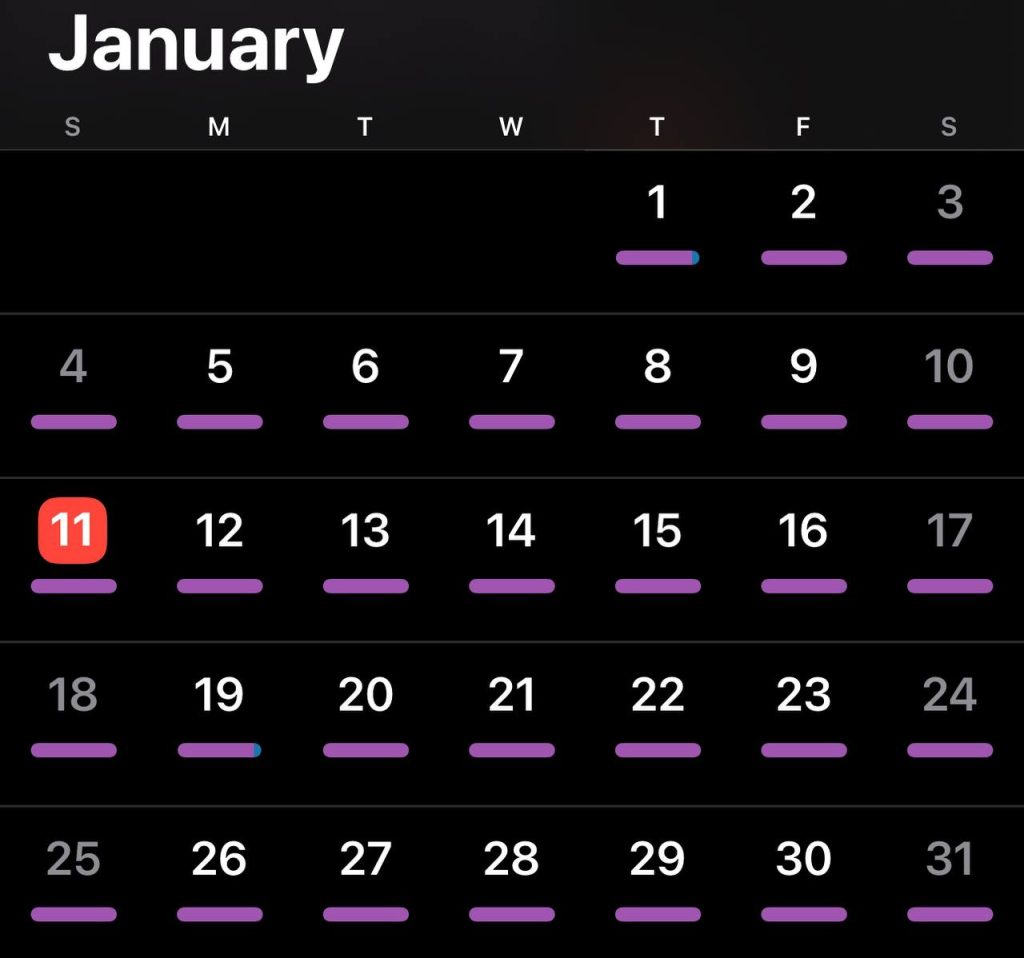
Avoid vague plans like “I’ll code today.” Instead, decide something specific like “I code every day from 7:00–8:00 PM.”
Step Two: Create a Simple Daily Coding Structure
Many beginners fail because they sit down to code without knowing what to do. This leads to confusion and wasted time. A simple structure removes decision fatigue.
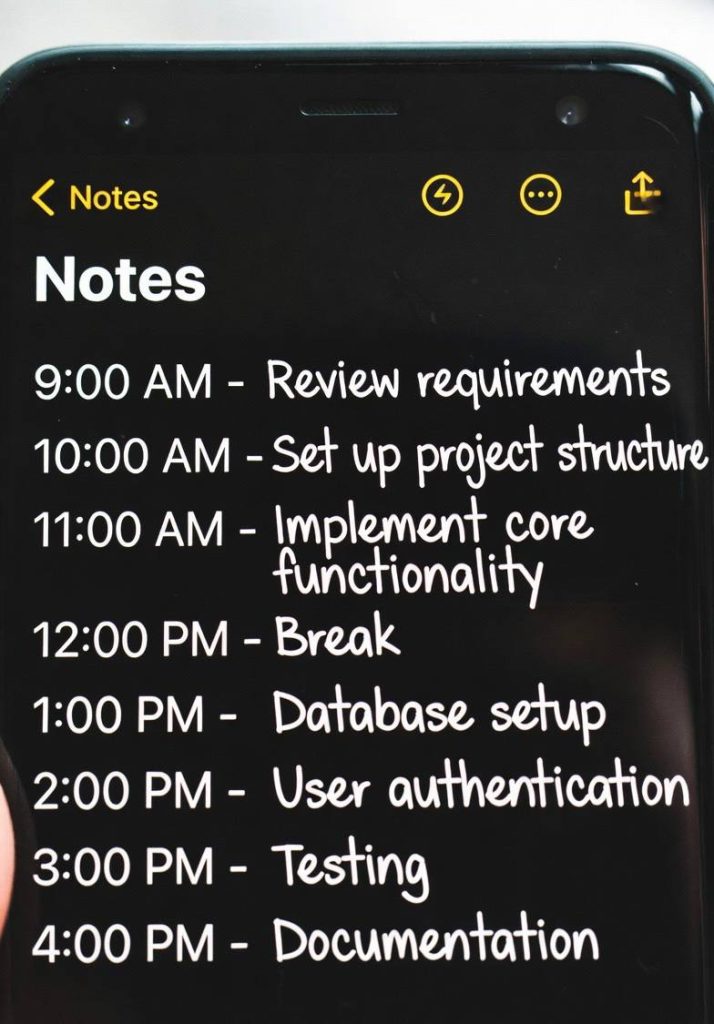
A powerful daily structure looks like this:
1. Review what you learned yesterday (5–10 minutes)
2. Learn or practice one small concept (20–30 minutes)
3. Apply it by writing code (15–30 minutes)
4. Save your work and note what you learned (5 minutes)
This structure keeps your sessions focused and productive.
Step Three: Practice Coding With Real Tools, Not Just Videos
Watching tutorials alone is not coding practice. Real progress happens when you write code yourself, even if it’s messy or broken.
You should be using:
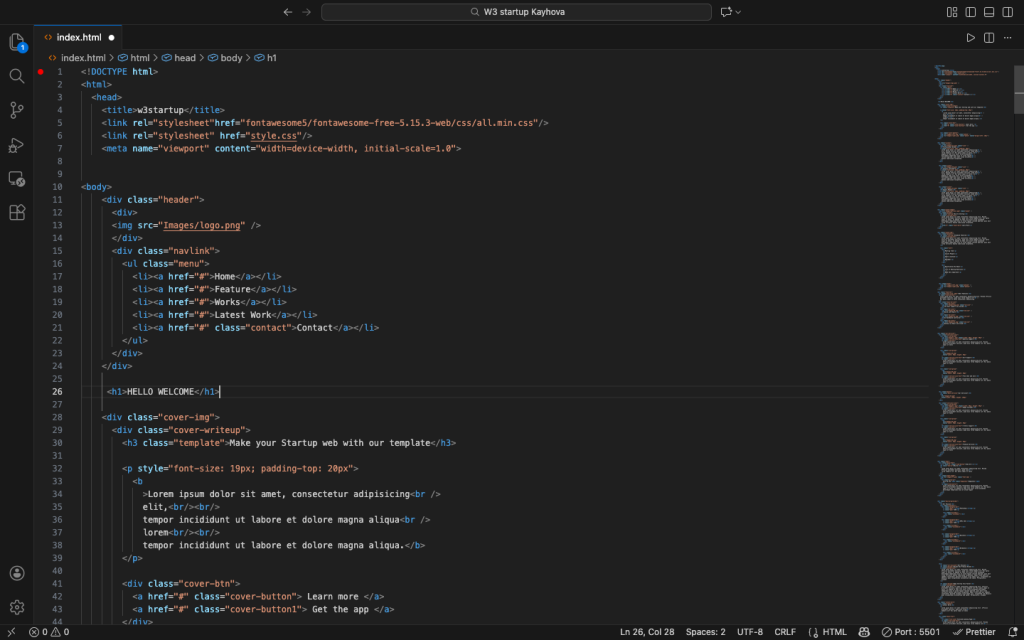
• A code editor (VS Code is ideal)
• A browser for testing
• A folder structure for projects
Create a dedicated folder on your computer named something like:
“Daily Coding Practice”
Every day, save your work there. Over time, this folder becomes proof of your growth.
Step Four: Focus on One Skill at a Time
One of the biggest reasons people fail to practice daily is trying to learn too many things at once. Jumping between HTML, CSS, JavaScript, frameworks, and design causes confusion.
Instead, practice in phases:
• Phase 1: HTML only
• Phase 2: CSS only
• Phase 3: JavaScript basics
• Phase 4: Combining them
Spend weeks—not days—on each phase. Mastery grows from repetition.
Step Five: Turn Practice Into Small Daily Challenges
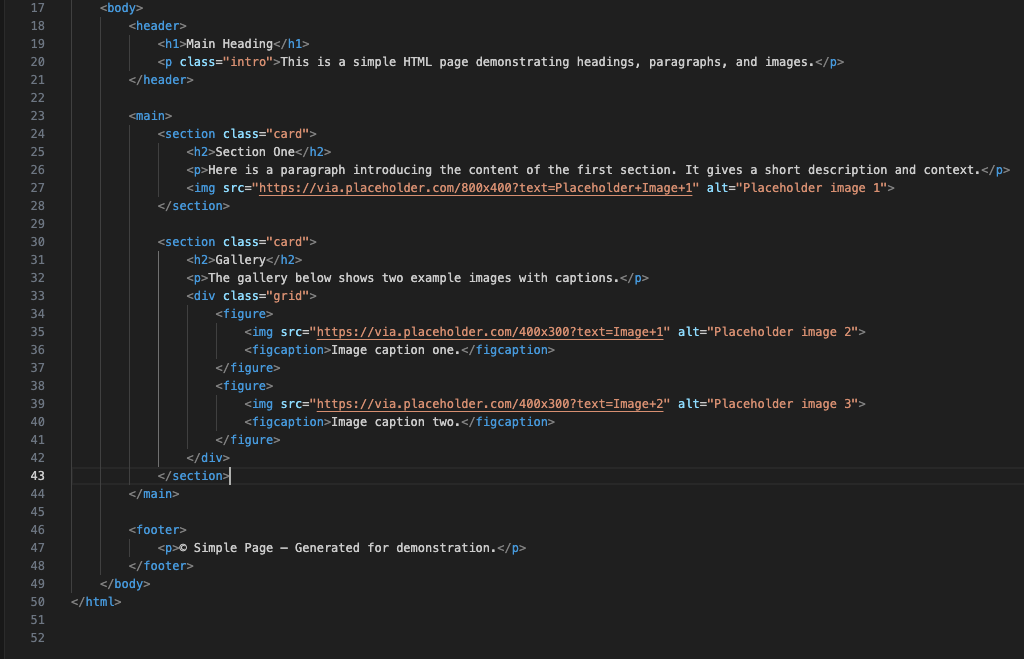
Your brain learns better when solving problems instead of copying code. Give yourself tiny daily challenges such as:
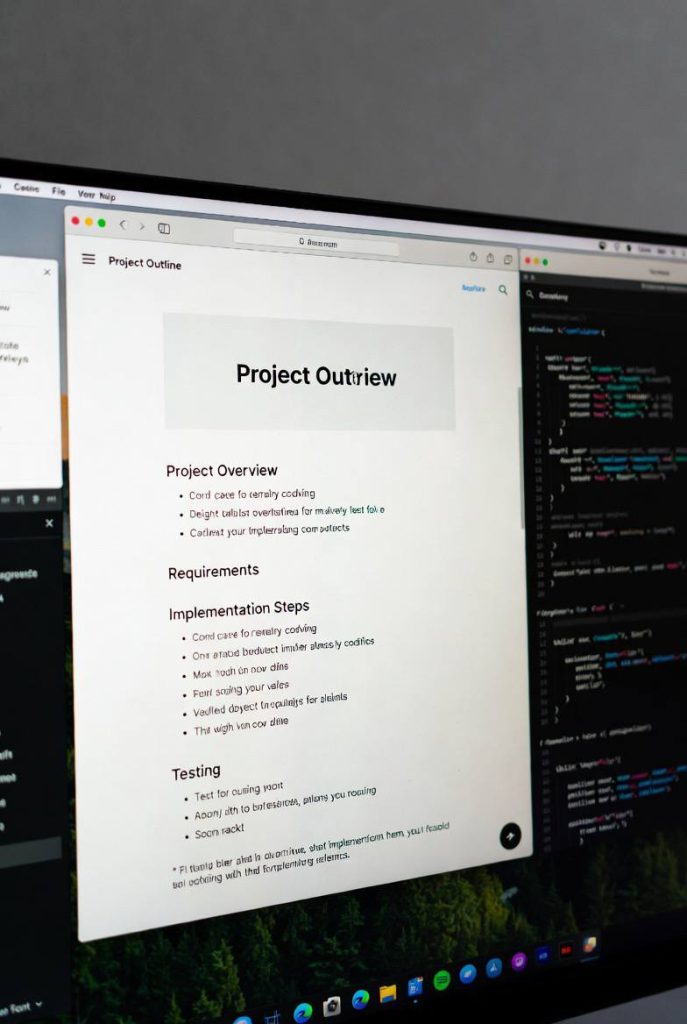
• Rebuild a simple webpage layout
• Style a button differently
• Create a basic form
• Write a JavaScript function that does one thing
These challenges should be small enough to finish in one session.
Step Six: Track Your Daily Coding Streak
Tracking your progress is a powerful motivator. Humans naturally want to protect streaks. When you see that you’ve coded for 10 days straight, you won’t want to break it.
Ways to track your streak:
• Mark an “X” on a calendar
• Use a habit-tracking app
• Keep a daily coding journal
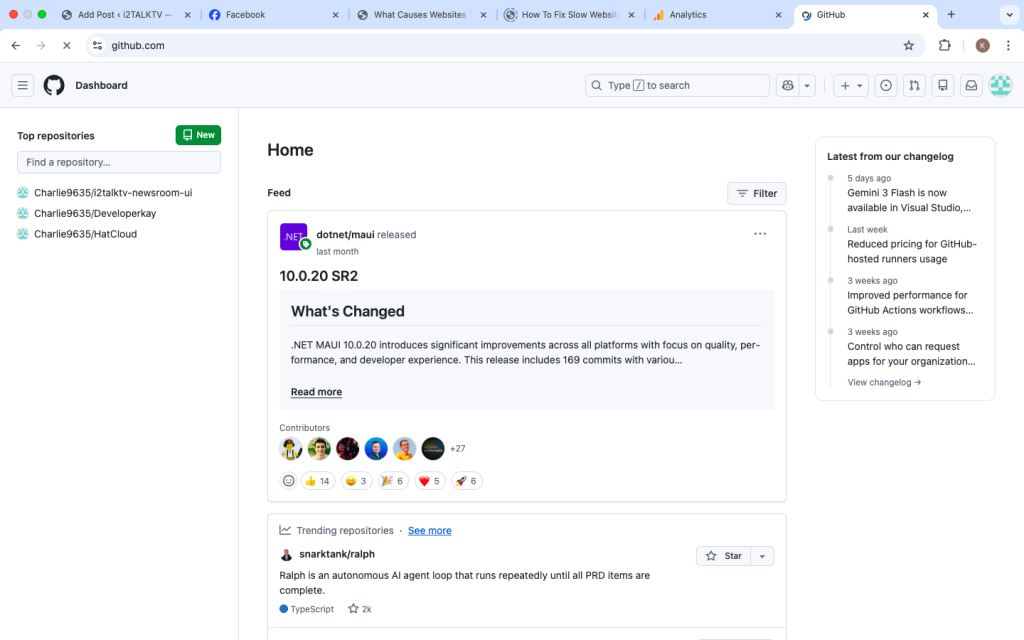
• Push code to GitHub daily
Step Seven: Practice Even on Low-Energy Days
Some days you won’t feel motivated. On those days, reduce the difficulty, not the habit.
Low-energy practice examples:
• Read code instead of writing it
• Fix one small error
• Review yesterday’s code
• Rename variables to make code cleaner
Even 10 minutes counts. Consistency matters more than duration.
Step Eight: Learn by Breaking and Fixing Code
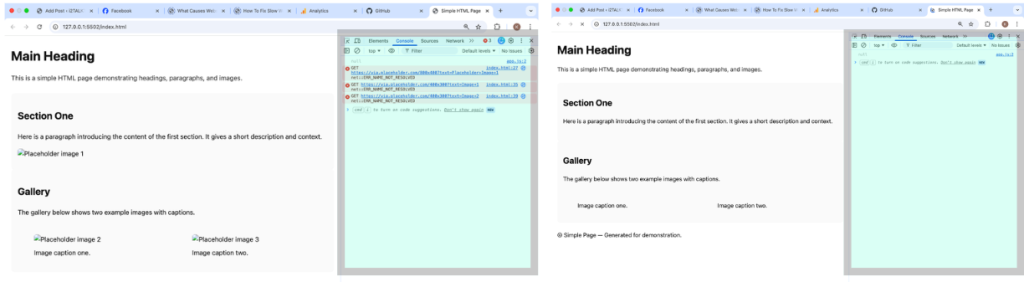
One of the fastest ways to grow is intentionally breaking your code and fixing it. Change values, remove lines, or experiment and observe what happens.
This teaches:
• Debugging skills
• Logical thinking
• Confidence in problem-solving
Errors are not failures; they are feedback.
Step Nine: Document What You Learn Daily
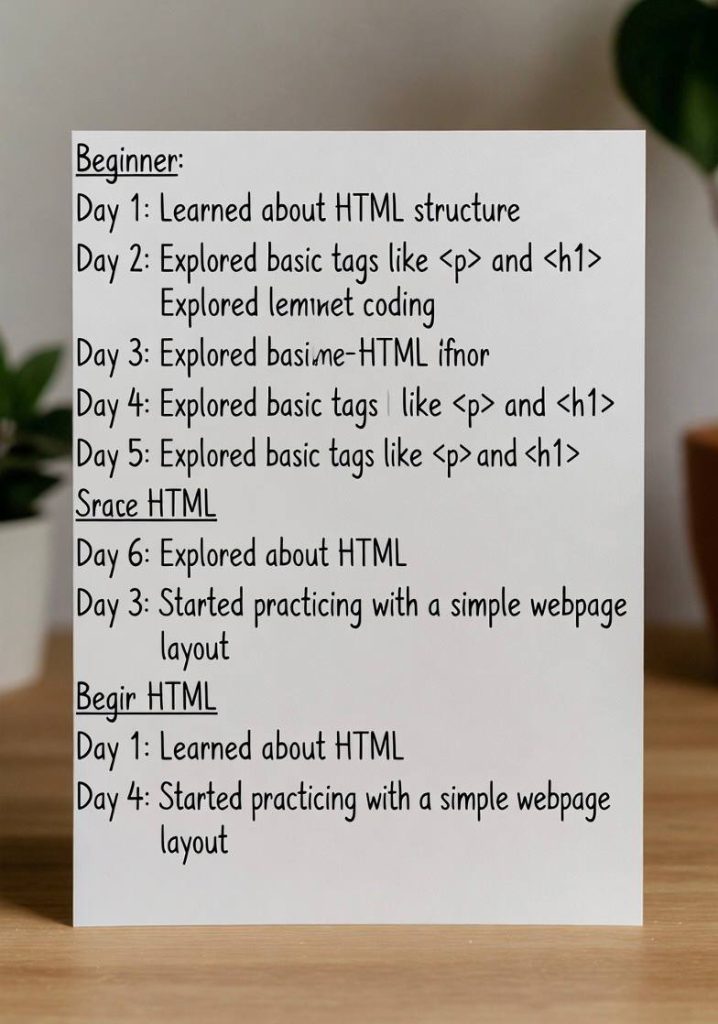
At the end of each session, write down:
• What you learned
• What confused you
• What you want to practice tomorrow
This makes the next session easier and reinforces memory.
Step Ten: Accept That Progress Is Slow but Real
Coding progress is invisible in the early stages. For weeks, it may feel like nothing is happening. Then suddenly, concepts start connecting, and things make sense faster.
This is normal.
People who succeed are not smarter they simply stayed consistent long enough for the compound effect to work.
Why Daily Coding Practice Always Beats Talent
Talent fades without practice. Consistency compounds. When you code daily:
• Your confidence increases
• Your problem-solving improves
• Your speed increases naturally
• Learning becomes easier over time
The people you admire in tech didn’t rush. They showed up daily.
Practicing coding daily is not about pressure, perfection, or comparison. It’s about building a system that fits your life and committing to showing up even on difficult days.
If you treat coding like brushing your teeth something you do daily without debate you will grow faster than most people who rely on motivation.
Consistency is not exciting, but it is powerful.