Phishing attacks are one of the most common and successful forms of cybercrime on the internet today. Despite years of warnings, security tools, and public awareness campaigns, people still fall victim to fake emails, messages, and websites every day. This raises an important question: if phishing is so well known, why does it continue to work?
The answer is not simply that people are careless or uninformed. Phishing works because it targets human behavior, not technology. It takes advantage of trust, urgency, routine, and the way people interact with digital systems in their daily lives. Understanding why phishing attacks work is the first step toward recognizing them and avoiding their traps.
What Phishing Really Is
Phishing is a type of online attack where someone pretends to be a trusted organization, person, or service in order to trick users into revealing sensitive information. This information may include passwords, login details, personal data, or financial information.
Phishing attempts often arrive through email, text messages, social media, or messaging apps. They usually contain a message that looks legitimate and encourages the recipient to click a link, download a file, or respond quickly.

At a glance, phishing messages can look convincing. Logos, brand names, and familiar language are often copied to create a sense of authenticity. This visual similarity plays a major role in why phishing attacks succeed.
Phishing Works Because It Exploits Human Psychology
One of the biggest reasons phishing attacks work is that they exploit basic human psychology. Humans are wired to respond to certain emotional triggers, especially fear, urgency, curiosity, and trust. Phishing messages are carefully designed to activate these responses.
For example, a message claiming that an account has been compromised creates fear. A warning that action must be taken immediately creates urgency. A message promising a reward or refund triggers curiosity. When emotions are activated, people are more likely to act quickly and less likely to stop and analyze the situation carefully.
Phishing does not rely on advanced hacking skills. It relies on convincing someone to make a mistake under pressure.
Trust in Familiar Brands and Services
People interact daily with banks, email providers, social media platforms, online stores, and subscription services. Over time, users become comfortable and trusting of messages from these services. Phishing attackers take advantage of this familiarity.
When a message appears to come from a well-known brand, users often assume it is legitimate. Logos, brand colors, and familiar wording help reinforce that assumption. Many people do not expect these trusted brands to be used against them.
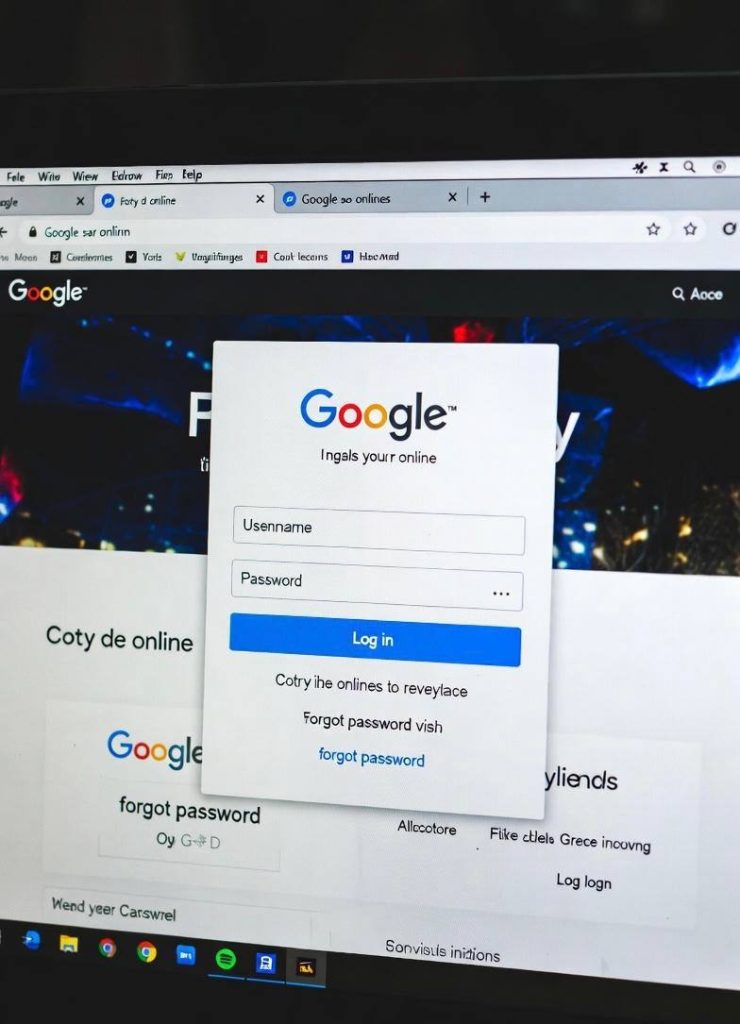
Because users already trust the brand being imitated, they may not question the message until it is too late.
Routine and Habit Play a Big Role
Another reason phishing works is because people operate on routine. Many online actions are done automatically, without deep thought. Checking emails, clicking notifications, and logging into accounts are part of daily habits.
When a phishing message fits into this routine, it may not raise suspicion. A user who regularly receives account notifications may click a link without checking the sender’s address or the website URL. Familiarity creates comfort, and comfort reduces caution.
Attackers design phishing messages to blend into everyday digital habits, making them harder to notice.
Phishing Messages Create a Sense of Urgency
Urgency is one of the most powerful tools used in phishing. Messages often claim that something bad will happen if immediate action is not taken. This could include account suspension, unauthorized activity, or missed payments.
Urgency reduces critical thinking. When people feel rushed, they are less likely to verify information or look for warning signs. They focus on solving the perceived problem as quickly as possible.

By pushing users to act quickly, phishing messages bypass the natural skepticism that might otherwise protect them.
Technology Can Be Imitated, Humans Can Be Tricked
Modern websites and emails can be copied visually with surprising accuracy. Fake websites can look almost identical to real ones, especially on small mobile screens. While security technology continues to improve, visual imitation remains effective.
Browsers and email clients may not always block phishing attempts immediately, especially new or targeted ones. This leaves the final decision to the user. Phishing works because humans, not machines, make that final click.
This is why education and awareness are just as important as technical security measures.
Phishing Adapts to Its Targets
Phishing attacks are not all the same. Some are generic and sent to thousands of people, while others are highly targeted. When attackers tailor messages to specific individuals or groups, the success rate increases.
Targeted messages may reference recent activity, common services, or familiar language. Even without deep personal data, attackers can make messages feel relevant enough to lower suspicion.
The more relevant a message feels, the more likely it is to be trusted.
Overconfidence and Lack of Awareness
Some users believe phishing only affects people with little technical knowledge. This belief can lead to overconfidence. In reality, anyone can fall for phishing under the right circumstances.
Even experienced users can make mistakes when distracted, tired, or stressed. Phishing does not require ignorance; it requires a moment of inattention. This is why phishing remains effective across all age groups and professions.
The Role of Mobile Devices
Phishing has become even more effective with the rise of mobile devices. Small screens make it harder to inspect links, URLs, and sender details. Notifications appear quickly, and users often respond while multitasking.
Mobile-friendly phishing pages are designed to load quickly and look convincing on phones. This environment makes it easier for phishing attempts to succeed without being noticed.

Why Education Is the Strongest Defense
While security tools can block many phishing attempts, they cannot catch everything. The most reliable defense is user awareness. Understanding how phishing works helps users recognize warning signs before acting.
Key habits such as checking URLs, verifying senders, and slowing down before clicking can significantly reduce risk. Awareness does not eliminate phishing, but it reduces its success.
Education shifts the advantage away from attackers and back to users.
The Bigger Picture
Phishing works because it targets human behavior, not technical flaws. It succeeds by exploiting trust, routine, urgency, and emotion. As long as people use digital systems, phishing will remain a threat.
However, understanding why phishing works empowers users to defend themselves. Awareness turns uncertainty into caution and habit into intentional action. Over time, informed users become much harder targets.
Phishing attacks work not because people are foolish, but because they are human. The same qualities that make online communication fast and convenient also create opportunities for deception. Recognizing this reality is essential for staying safe online.
By slowing down, questioning unexpected messages, and understanding common phishing tactics, users can protect themselves and others. Knowledge does not just reduce risk; it builds confidence and control in the digital world.