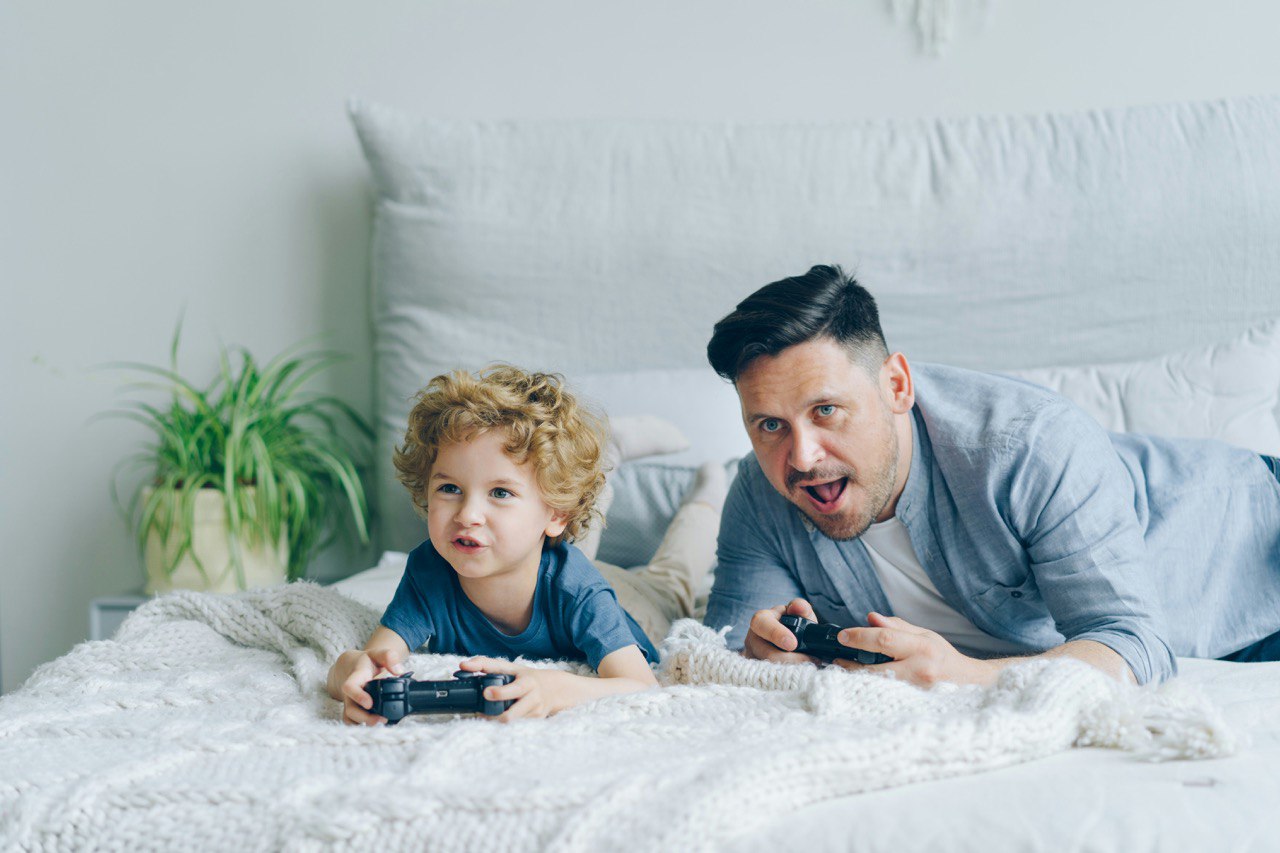
While Australia’s world-first social media ban for under-16s has made headlines, online gaming remains largely unregulated, raising concerns among parents, educators, and mental health experts. Critics argue that despite restrictions on platforms like TikTok, Instagram, and X, many children are turning to gaming, which can be just as habit-forming and socially immersive.
The new legislation, which prohibits under-16s from holding social media accounts, does not extend to video games, online multiplayer platforms, or streaming services. Popular games such as Fortnite, Roblox, Minecraft, and Call of Duty continue to attract millions of young players, offering interactive communities, in-game purchases, and competitive rewards that can mimic the engagement and addictive qualities of social media.
Experts warn that gaming addiction can impact mental health, sleep patterns, and academic performance, similar to excessive social media use. Dr. Lara Thompson, a child psychologist in Sydney, explains:
“Limiting social media is a step forward, but online gaming can be just as compelling. Parents need to monitor screen time, game content, and social interactions within these platforms.”
Industry insiders note that online gaming companies are investing heavily in engagement mechanics, from daily login rewards to in-game economies, creating a highly immersive environment for minors. Critics say this could undermine the intent of Australia’s social media law, which aims to protect children from online harms.
Some parents have already expressed frustration, stating that while apps like TikTok are now off-limits, their children spend hours in virtual worlds where peer pressure, chat features, and in-game events encourage prolonged engagement.
Online gaming presents a significant challenge to Australia’s efforts to regulate digital spaces for minors. The mechanisms employed by gaming companies to enhance user engagement may inadvertently create environments that are as addictive as those found on social media platforms. Experts argue that without comprehensive regulations that encompass both gaming and social media, the intended protections for children could remain insufficient. As policymakers assess these developments, it is crucial to consider the implications of online gaming in the broader context of child safety in the digital realm.